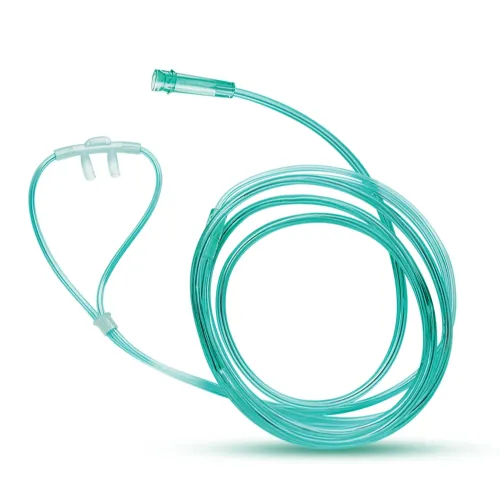


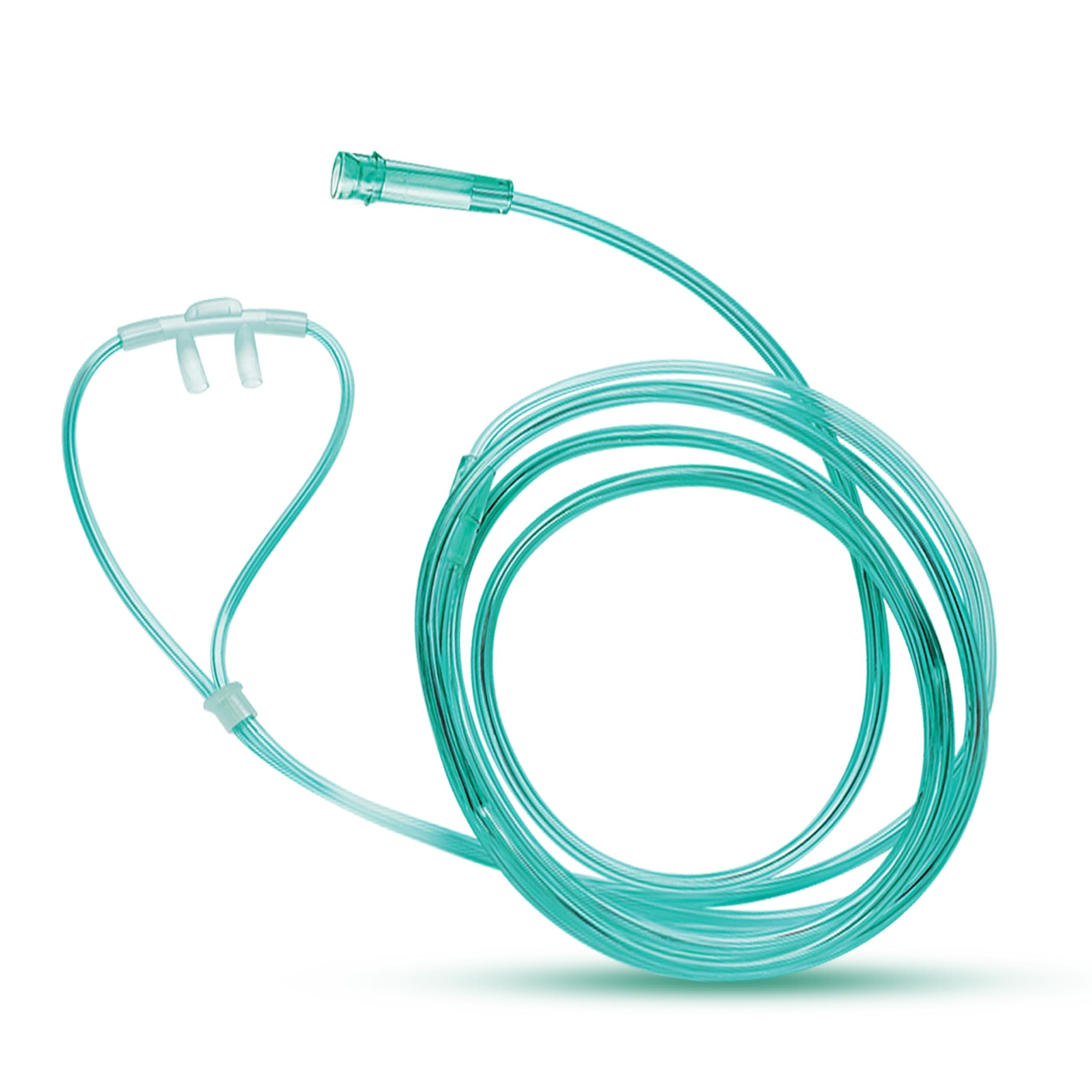
Nasal cannulas offer patients a comfortable, non-invasive way to receive supplemental oxygen, improving breathing and oxygen levels without restricting mobility. They're widely used for a variety of respiratory conditions and are especially beneficial for long-term or low-flow oxygen therapy.
Here’s a detailed look at the key benefits of nasal cannulas for patients:
🌬️ Improved Oxygenation
Delivers supplemental oxygen directly into the nostrils, helping maintain adequate blood oxygen levels in patients with respiratory distress, COPD, cardiac conditions, or sleep apnea
Can be used for both low-flow (1–6 L/min) and high-flow oxygen therapy, depending on the patient's needs
😌 Comfort and Convenience
Lightweight and flexible tubing makes it more comfortable than oxygen masks, especially for long-term use.
Allows patients to eat, speak, and move freely, which improves overall quality of life and reduces feelings of confinement
🏥 Versatility in Clinical Settings
Used across various healthcare environments—from home care to intensive care units—due to its simplicity and effectiveness
High-flow nasal cannula therapy is increasingly adopted in hospitals, with 95% of surveyed facilities using it and 31% applying it across all wards
🧠 Psychological and Practical Benefits
Less intimidating than masks, which can help reduce anxiety in patients receiving oxygen therapy.
Easier for caregivers to monitor and adjust, making it a practical choice for ongoing respiratory support.
nasal cannula is used for
when to use nasal cannula
why nasal cannula is used