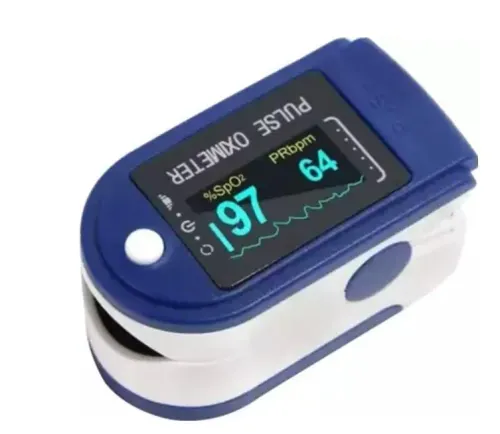


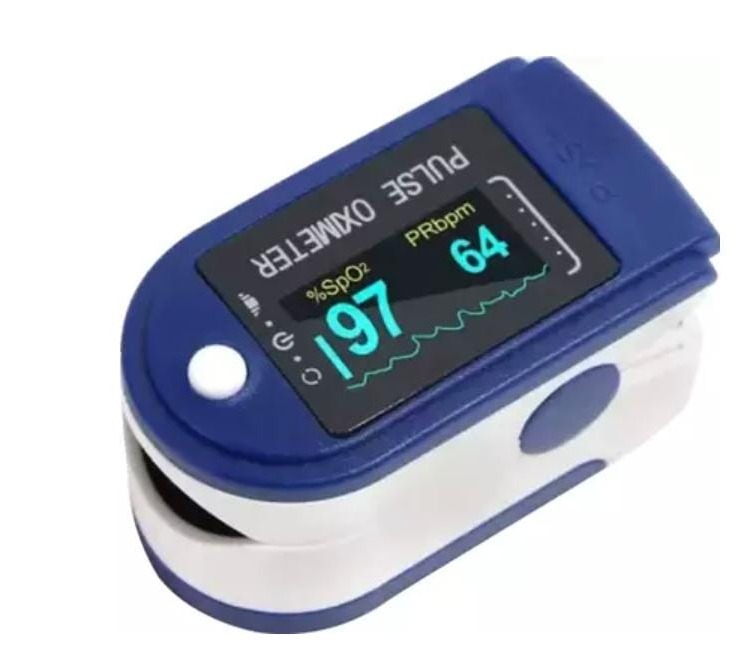
Pulse oximeters provide patients with a quick, painless, and noninvasive way to monitor oxygen levels, helping detect early signs of respiratory or cardiovascular problems before they become critical.
🌟 Key Benefits of Pulse Oximetry for Patients
Noninvasive & painless monitoring
A pulse oximeter simply clips onto a finger, toe, or earlobe, using light sensors to measure oxygen saturation (SpO₂) and pulse rate without needles or blood draws.
Early detection of hypoxia (low oxygen levels)
Patients with conditions like COPD, asthma, pneumonia, or COVID-19 can benefit from early alerts when oxygen levels drop, allowing timely medical intervention.
Continuous monitoring during treatment or surgery
In hospitals, pulse oximeters are used to track oxygen levels during anesthesia, recovery, or intensive care, ensuring patients remain stable.
Home use for chronic conditions
Patients with long-term respiratory or cardiac diseases can use portable pulse oximeters at home to monitor their health daily, reducing emergency visits.
Supports COVID-19 management
Doctors found that home monitoring with pulse oximeters helped COVID-19 patients detect “silent hypoxia” (dangerously low oxygen without obvious symptoms), preventing sudden deterioration.
Guides oxygen therapy
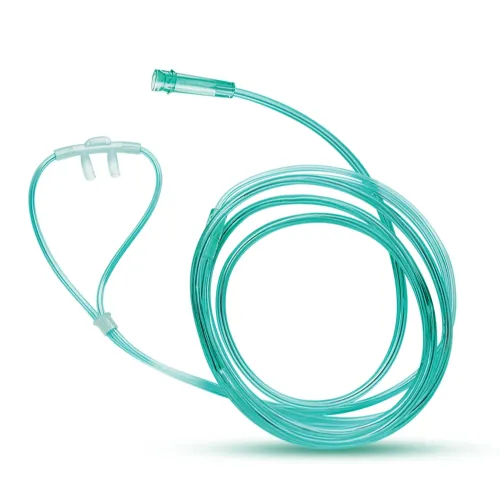
For patients receiving supplemental oxygen, pulse oximetry helps adjust dosage to avoid both under-treatment and oxygen toxicity.
Improves patient confidence & self-care
Having a simple tool to check oxygen levels empowers patients to take charge of their health, recognize warning signs, and seek help promptly
advantages of pulse oximeter
can pulse oximeter detect blood pressure
how does pulse oximeter works