The correct device starts with the prescribed oxygen dose, delivery pattern, and hours of use—not with a brand name or maximum flow figure. By the end, you will be able to compare concentrator specifications, plan for sleep and outings, and verify the backup and service support needed at home.
Key takeaways
- Match litres per minute and delivery mode to the written prescription.
- Choose pulse dose only when your clinician confirms it suits your breathing pattern.
- Check oxygen concentration, noise, alarm functions, and performance under load.
- Plan battery and inverter backup for Chennai power cuts before buying.
Match the concentrator to the oxygen prescription
Before comparing brands, confirm the prescription: the required oxygen flow, delivery pattern, hours of use, and situations that trigger oxygen. That is how to choose an oxygen concentrator for home use safely; the maximum litres-per-minute number alone cannot show whether a device fits.
1. Ask the treating clinician to write the prescribed flow in litres per minute, such as 2 L/min or 4 L/min, and state whether it is continuous flow or pulse dose.
2. Record when oxygen is required: at rest, while walking or exercising, during sleep, or continuously. A device that supplies enough oxygen while seated can fail to meet the higher requirement during exertion or overnight.
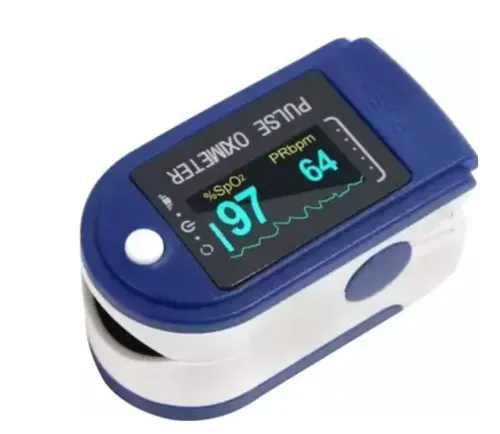
3. Confirm the target oxygen saturation and how you will measure it with a pulse oximeter. Do not increase the flow yourself because a reading falls; report the reading, symptoms, and activity to the clinician.
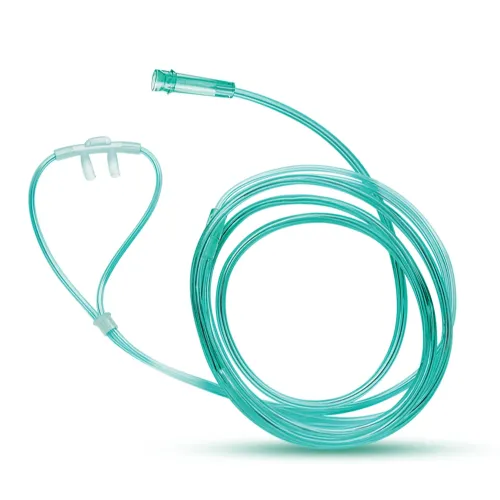
4. Check whether the prescription applies to a specific delivery interface, such as a nasal cannula or mask. The interface and breathing pattern affect whether a pulse-dose device detects each inhalation.
5. Treat pulse settings as a separate specification. A portable unit marked pulse 1–5 does not deliver 1–5 L/min of continuous oxygen, so it cannot automatically replace a continuous-flow prescription.
6. Match the written prescription against the exact model’s manual, including its flow range and oxygen concentration at that flow. If the prescription is unclear, resolve it before renting or buying.
Choose continuous flow, pulse dose, or a combined setup
The best oxygen concentrator for home use depends on the prescribed delivery pattern, not the brand. Continuous flow suits low-flow oxygen during rest and sleep because oxygen leaves the outlet at a steady rate.
Pulse-dose equipment releases a breath-sized supply only after detecting inhalation; a setting of “2” is not the same as 2 L/min continuous flow.
| Option | Best fit | Main limitation |
|---|---|---|
| Continuous-flow stationary concentrator | Rest, overnight use, or prescribed oxygen for many hours | Needs mains electricity and is difficult to move |
| Pulse-dose portable concentrator | Walking, appointments, travel, and short outings | Shallow breathing, mouth breathing, rapid breathing, or sleep can prevent triggering |
| Combined setup | Stationary continuous flow at home plus portable equipment outside | Costs more and requires two devices, maintenance plans, and charging |
| Continuous-flow portable concentrator | Mobility when the prescription specifically permits it | Battery life and maximum flow can be limited |
For sleep, use a pulse-dose portable model only after testing the exact device and setting while the user sleeps or under clinical supervision. A unit that works during a calm walk may miss breaths overnight.
During a power failure, keep a filled oxygen cylinder with the correct regulator as backup; a concentrator alone cannot supply oxygen after its battery or household electricity ends. Compare each setup against these practical checks:
- Does it deliver the prescribed flow and mode during rest and exertion?
- Can the user carry, operate, and recharge it?
- Is backup oxygen available for the expected outage duration?
- Can local technicians service both the concentrator and its battery?
Compare performance beyond the maximum litres-per-minute figure
A 5 L/min label does not prove reliable delivery at 5 L/min. Compare the manufacturer’s written oxygen-concentration percentage at your prescribed flow, because concentration can fall as flow rises, the inlet filter clogs, or altitude increases.
| Specification | What to verify | Why it matters |
|---|---|---|
| Oxygen concentration | Percentage guaranteed at your prescribed L/min | Shows whether output remains therapeutic at your setting |
| Flow range | Continuous-flow range, not only maximum flow | A high maximum may not cover every required setting |
| Outlet pressure | Maximum pressure in the manual | Low pressure can reduce delivery through long tubing or accessories |
| Operating altitude | Rated altitude range | Performance can change above the tested elevation |
| Alarms | Oxygen-purity, power-failure, high-temperature, and obstruction alarms | The machine can run while output is inadequate unless it detects faults |
| Filter and service interval | Replacement schedule and blocked-filter warning | Restricted air intake can reduce concentration and shorten compressor life |
| Noise and power use | Decibel rating and watts during operation | Noise can disrupt sleep; power demand affects backup planning |
A practical oxygen concentrator buying guide should also test the exact model, not a similar display unit. Ask for the model number, user manual, written concentration specification, warranty, and service schedule.
- Confirm output with an oxygen analyser at the prescribed setting.
- Test a pulse-dose model while walking and during sleep if relevant.
- Check that shallow, rapid, or mouth breathing triggers every inhalation.
- Demonstrate the oxygen-purity and power-failure alarms before accepting it.
Size the battery and prepare for a Chennai power cut
Calculate battery time from the prescribed setting, not the runtime printed for the lowest flow. A portable concentrator running at 3 L/min can use its battery far faster than the same device at 1 L/min, and an older battery will provide less usable time.
1. Ask for the manufacturer’s runtime at your exact flow, delivery mode, and battery size. Treat that figure as a starting point, then allow reserve for battery ageing, charging delays, and movement between rooms.
2. Estimate the outage gap: expected restoration time minus the battery time you can safely use. If the result is positive, arrange an oxygen cylinder or another clinician-approved oxygen source before the next cut.
3. Ask the clinician or cylinder supplier for the cylinder’s expected duration at your prescribed continuous flow. Do not estimate duration from cylinder size alone; pressure, usable contents, regulator settings, and flow all affect the result.
4. During a planned outage, charge every battery, keep the concentrator connected to a surge-protected power supply, and place the backup cylinder with its regulator, tubing, and written instructions where you can reach them. Never change flow to stretch the supply without clinical advice.
5. For oxygen concentrator options in Chennai, ask whether delivery, cylinder refills, emergency support, and a loaner or rental unit are available during local power failures. Confirm the plan in writing, including an emergency phone number and the battery replacement process. Practice switching sources before you need to.
Verify service, safety, and total ownership cost before buying
Before accepting a concentrator, make the supplier demonstrate the exact unit you will take home, not a similar model shown online. A home oxygen concentrator supplier in Chennai should provide the model number, invoice, user manual, written oxygen-concentration specification, warranty, service contact, and confirmation that the unit is new or refurbished as represented.
1. Ask who handles installation, home delivery, preventive maintenance, filter and tubing replacement, repairs, and emergency support. Get the repair turnaround time, service interval, loaner or rental arrangement, and power-failure backup plan in writing.
2. Ask the supplier to run the prescribed mode and flow while measuring oxygen concentration with suitable test equipment. Check the maximum outlet pressure, operating-altitude limit, electrical consumption, noise level, and oxygen-purity and power-failure alarms; a machine can keep running while delivering inadequate oxygen.
3. Have the intended user operate the power switch, connect tubing, adjust only the approved setting, identify each alarm, clean accessible parts, and move the unit safely. Test this while seated and walking if exertion is part of the prescription.
4. Add electricity, filters, tubing, servicing, batteries, backup cylinders, delivery charges, and likely repairs to the purchase price. Tamilnadu Medical System and Services can help you compare equipment against these service and ownership costs rather than choosing on price alone.
Reject the unit if the user cannot operate it confidently, the supplier will not document performance, or local support depends only on an online listing.
Related products
 | Oxygen Concentrator Tamilnadu Medical System and Services is leading medical equipment supplies in Chennai. View product → |
 | Portable Oxygen cocentrator Tamilnadu Medical System and Services is leading medical equipment supplies in Chennai. View product → |
Frequently asked questions
How do I match an oxygen concentrator to my prescription?
Check the prescribed flow rate, continuous or pulse delivery, daily hours, and situations requiring oxygen. Do not choose by maximum litres per minute alone.
What is the difference between continuous-flow and pulse-dose oxygen?
Continuous-flow devices deliver oxygen at a set rate throughout inhalation and exhalation. Pulse-dose devices release oxygen when they detect an inhale, so confirm that the device reliably triggers for your breathing pattern.
Which concentrator performance details should I compare?
Compare oxygen concentration at the required flow, performance under load, noise, alarm functions, operating limits, filter maintenance, and warranty terms—not only the maximum flow figure.
How can I prepare a concentrator for a Chennai power cut?
Calculate the device’s wattage and required operating hours, then select a compatible battery, inverter, or generator with enough capacity. Confirm the backup system’s output matches the concentrator.
What should I verify before buying from an oxygen concentrator supplier in Chennai?
Ask about installation, clinical-use guidance, preventive maintenance, replacement filters, repair response time, warranty coverage, return terms, and total ownership cost.
Keywords